Book a shoot

Dance Photography.

Movement, lines and jumps caught sharp, for auditions, companies and shows.

£95per hour · studio and every image included
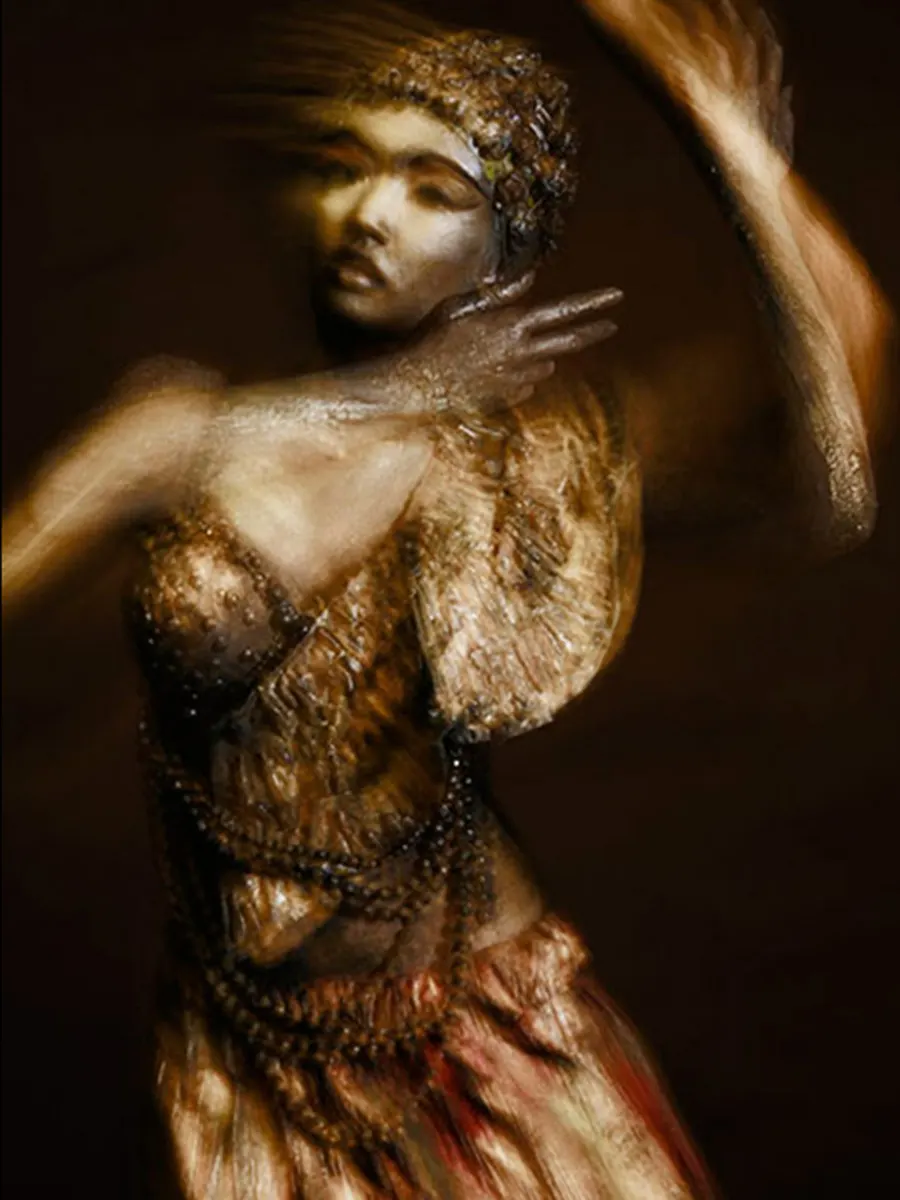
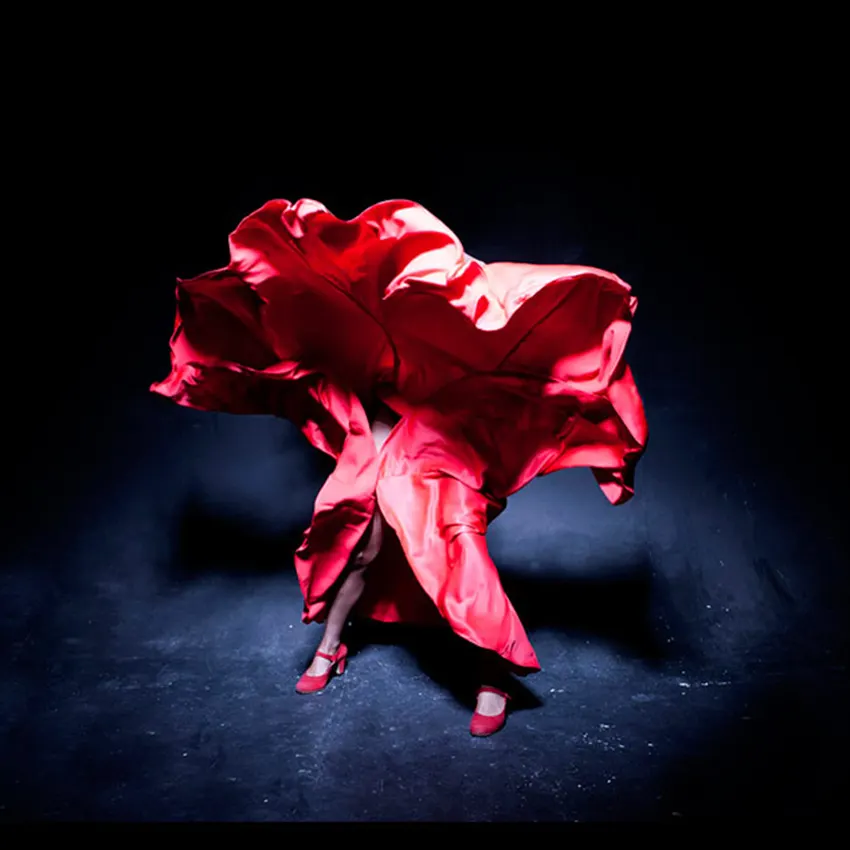
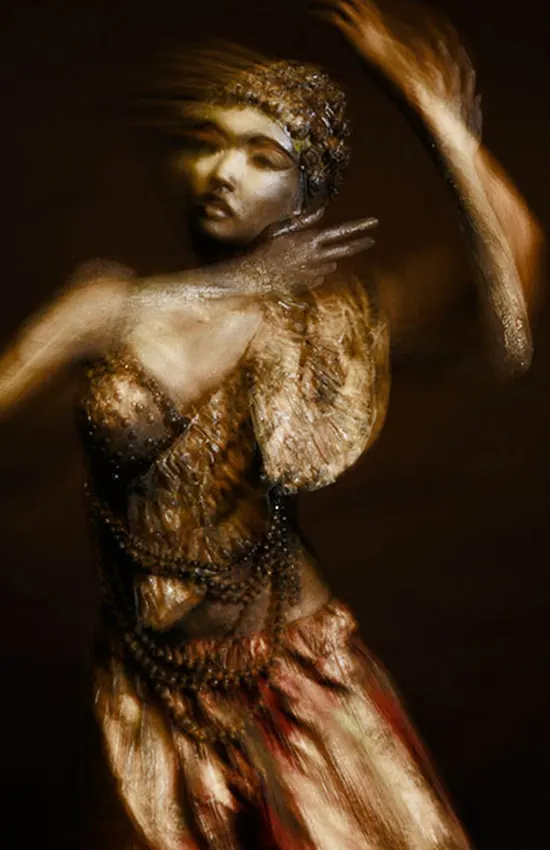
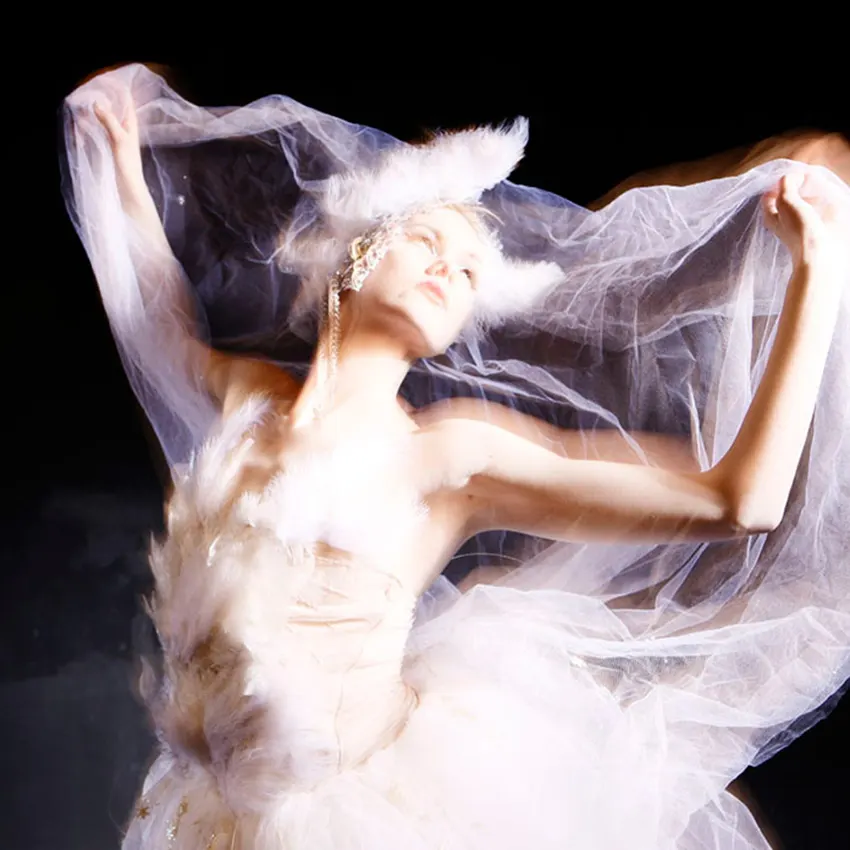
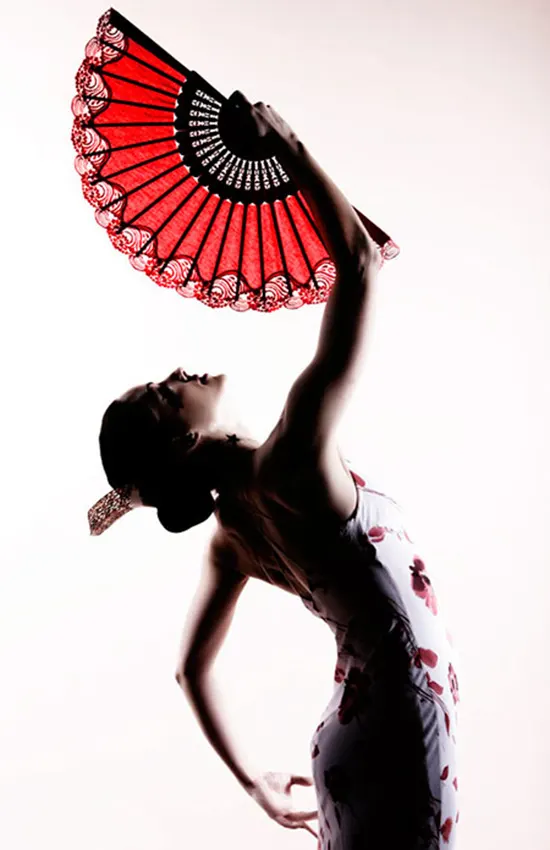
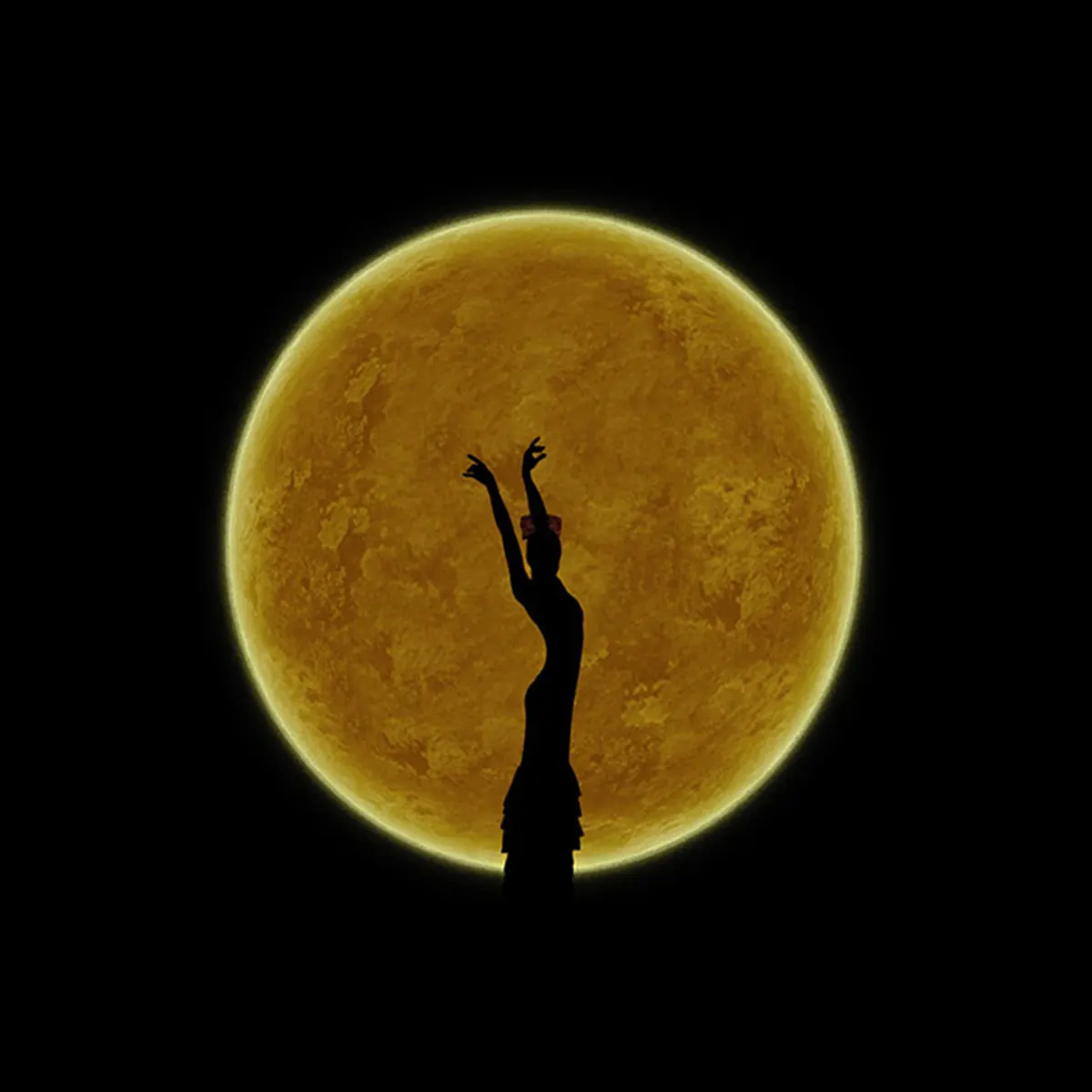
Dancer in a white feathered costume moving with flowing tulle, motion blurSilhouette of a dancer with raised arms against a large golden moonDancer in a billowing red dress mid-movement on a dark stageDancer in black leaping in a tucked shape against a white studio backdropDancer in a beaded gold costume with blurred movement on a dark background

Pricing

One price, by the hour.

Shooting and retouching are both £95 an hour, so you know the cost before you book.

Shooting£95/ hour
Retouching£95/ hour
Studio AIncluded
Every imageIncluded

Unretouched images the same day. Retouched images within three working days, by WeTransfer.

Frequently asked questions

Is there enough room in the studio to jump?

Studio A is about 700 sq ft, and the lights hang from a ceiling rail, so the floor stays clear. It suits jumps, leaps and turns; for a long travelling sequence we can shoot on location instead.

What should I bring to a dance shoot?

Your performance shoes, two or three costumes, including something plain that shows your lines, and anything you need to warm up. Arrive ready to dance.

Can you photograph a group or a dance company?

Yes. Tell me how many dancers and what the pictures are for, and I’ll suggest whether the studio or a location works better.

How much does dance photography cost?

£95 an hour, with the studio and every image included.

More about

Dance Photography

Dance photography for auditions, companies and shows

Dance pictures are judged on line, so the job is to catch the exact moment a position is complete. I photograph dancers at Studio A in Kentish Town, for audition and agency submissions, company publicity, show posters and dancers’ own portfolios.

Before the day, tell me what the pictures are for. An audition panel wants clear, honest technique; a show poster wants drama and space for text. That decides the backdrop, the light and the framing.
Freezing jumps and leaps sharp

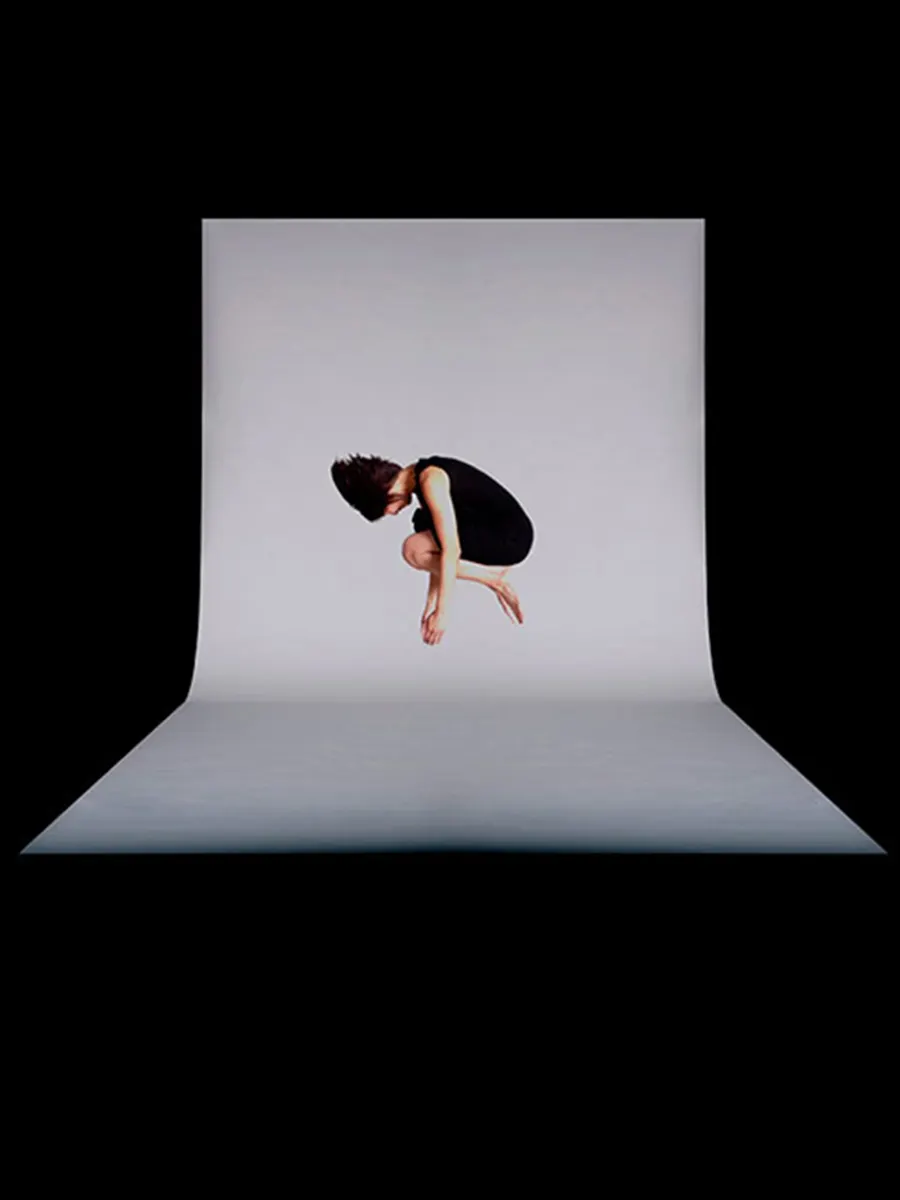
To stop a jump in mid-air I use studio flash, which freezes the body far more cleanly than daylight can. We usually repeat each jump several times, and I watch the timing with you between takes so we can adjust the run-up, the arms or the point of the feet.

The ceiling rail system keeps the lights off the floor, which gives you clear space to move. Bring the shoes you perform in, and warm up properly before you arrive, because the best jumps tend to come in the first half of the session rather than the end.

Movement, blur and feeling

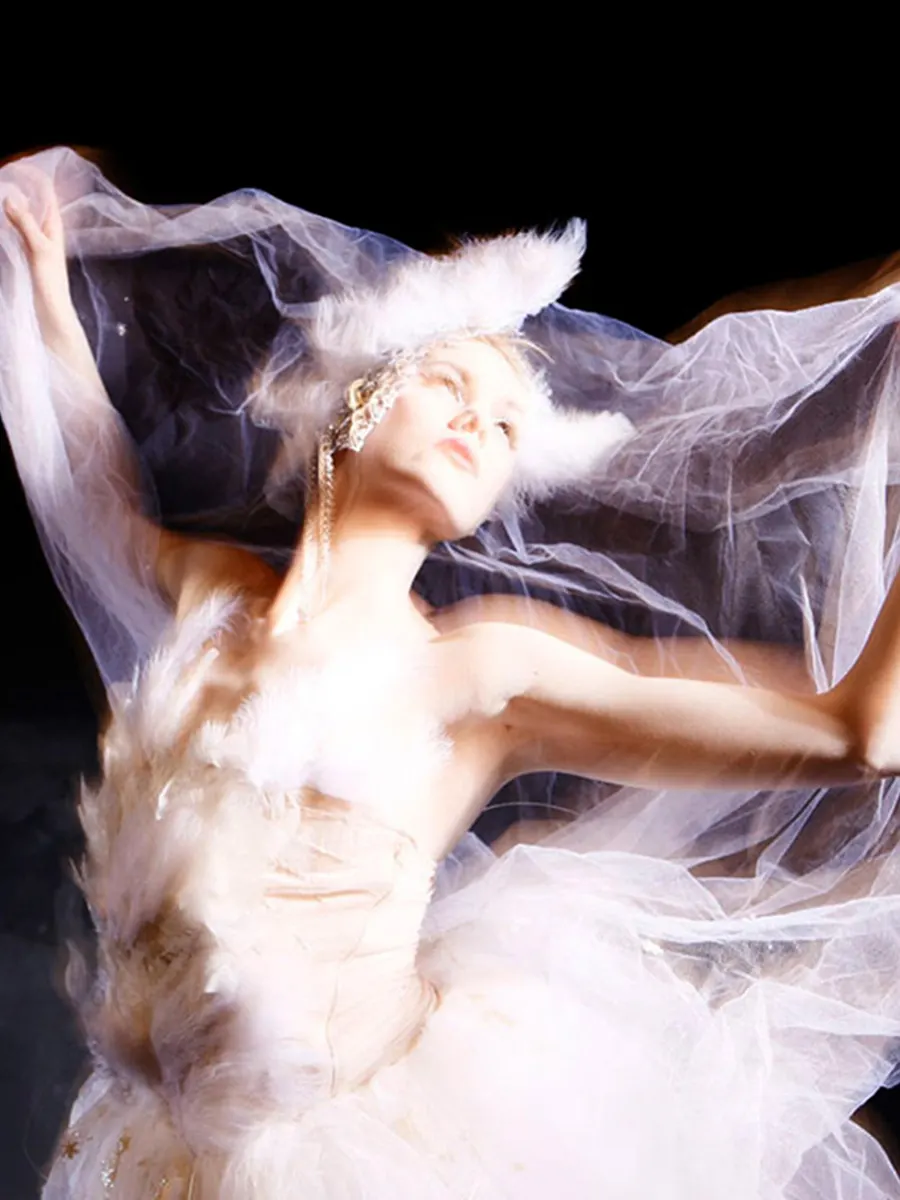
Not every dance photograph needs to be pin sharp. For a year I photographed more than 15 dancers in the studio for my own project, which ended in an exhibition in Shoreditch. The aim was to show what dancing feels like from the inside, so I worked close to each dancer and sometimes kept the blur in on purpose.

If that kind of picture suits you better than a crisp audition shot, we can do both in one session: sharp frames first, then a looser, more expressive set.

Costume, colour and silhouette

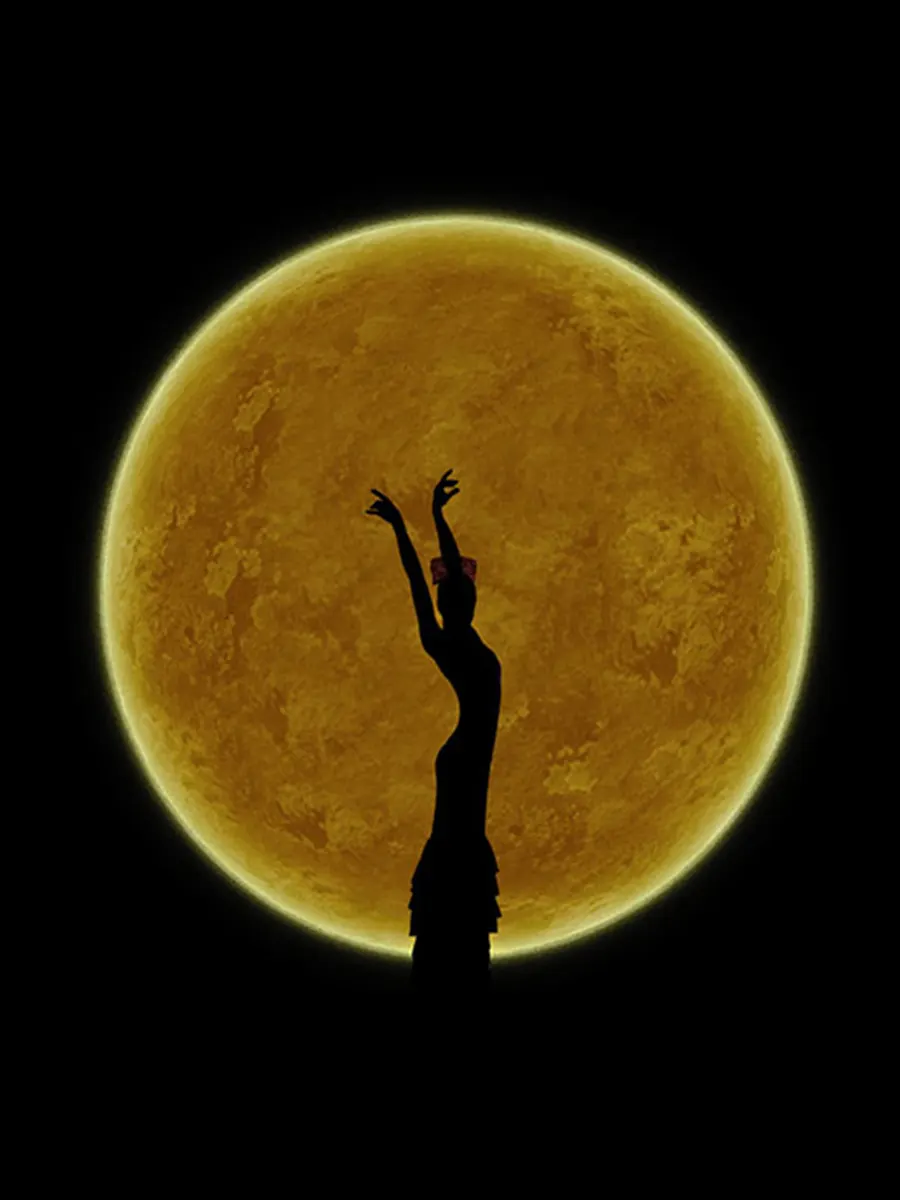
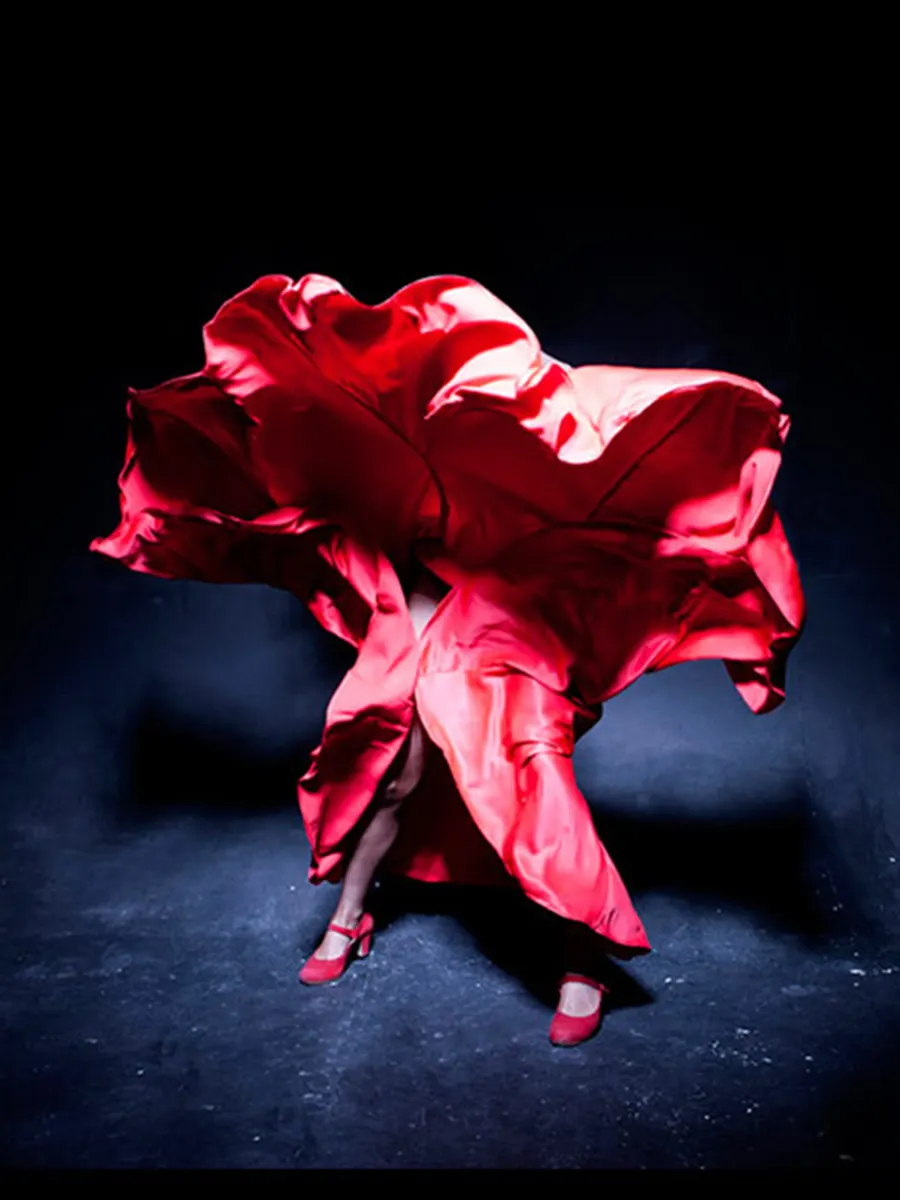
Tutus, leotards and flowing skirts read very differently against light and dark grounds. A pale costume on black looks graphic; a dark one against a coloured backdrop shows the shape of the body. I can also light you as a silhouette, so only the outline of a pose shows.

Bring two or three costumes if you can, including one that shows your lines clearly, such as a plain leotard.

Planning a shoot?

Tell me what you need, and I’ll come back with a quote.

Paul replies within 24 hours
or
My budget is
WhatsApp